Commercial Roofing in Houston — System Selection, Warranties & Code Compliance
Your commercial roof is your building's first defense against Houston's intense heat, high humidity, and frequent thunderstorms. A properly installed commercial roofing system using TPO, EPDM, modified bitumen, or metal panels protects your tenants, equipment, and bottom line. Commercial roofing differs from residential work—it demands precision in system selection, warranty terms (typically 15–30 year NDL coverage), and coordination with your operations.
At Houston Roofing Team, we work directly with property managers, facility directors, and building owners to select the right membrane, ensure code compliance, and minimize tenant disruption during installation or repair.
What Is Commercial Roofing and Why It Matters
Commercial roofing involves installing or restoring flat and low-slope roof systems designed to handle the weight of HVAC units, parapet walls, and rooftop equipment. Unlike pitched residential roofs, commercial systems rely on single-ply membranes (TPO or EPDM), built-up roofing (BUR), or standing-seam metal panels to shed water across large, uninterrupted roof decks.
Your roof deck is your building's structural foundation for roofing. Beneath it sits insulation, ventilation, and the substrate that anchors the membrane. When water seeps through cracks or gaps in the coating, it wicks into the insulation and roof deck, causing rot, decay, and structural damage that spreads across months or years.
Commercial roofing systems are engineered to meet local building codes. Houston's climate—with its Gulf-driven storms and UV-intense summers—demands materials and installation methods that resist granule loss, blistering, and membrane delamination. A 20-year-old built-up roof showing widespread cracking or a TPO membrane with end-of-life wear requires professional assessment and often full replacement.
Commercial Roofing Materials and System Options
Your choice of material determines durability, maintenance cost, warranty length, and how your roof performs during Hurricane-force winds. Here are the main systems Houston property owners select:
TPO (Thermoplastic Polyolefin): A single-ply membrane that resists UV damage and reflects heat, reducing cooling costs. TPO is lightweight, easy to repair, and typically carries 15–20 year warranties. Manufacturers like Carlisle SynTec and GAF EverGuard produce durable TPO products.
EPDM (Ethylene Propylene Diene Monomer): A rubber-like membrane that flexes with temperature swings and resists puncture. EPDM costs less upfront but requires hand-sealed seams and regular maintenance. Warranties run 15–25 years depending on thickness and installation quality.
Modified Bitumen: A tar-based system with fiberglass reinforcement. Modified bitumen offers excellent waterproofing and handles foot traffic well, making it popular for roofs with frequent maintenance access. Warranties typically span 15–20 years.
Metal Panels (Standing-Seam): Aluminum or steel panels with interlocking seams that shed water instantly. Metal roofing lasts 40+ years, resists wind damage, and reflects heat. Standing-seam panels are ideal for new construction or buildings requiring long-term durability despite higher upfront cost.
Built-Up Roofing (BUR): Multiple layers of bitumen and felt alternated and topped with gravel. BUR provides excellent waterproofing and fire resistance but requires professional tear-off during replacement. Warranties run 15–20 years.
Each system has trade-offs. TPO offers quick repairs and energy savings. EPDM is budget-friendly but demands routine maintenance. Modified bitumen excels in high-traffic areas. Metal panels last decades but cost more. Your facility's age, budget, climate exposure, and tenant needs determine the right choice.
The Commercial Roofing Process: From Inspection to Warranty
Commercial roofing projects follow a structured process to protect your tenants and meet building code requirements. Here's what to expect:
Roof Asset Survey: We inspect your entire roof deck, membrane, flashing, parapet walls, and drainage systems. We identify rot, decay, blistering, or membrane separation. We document the roof's age, material, and condition to recommend repair or full replacement.
System Selection and Code Review: Based on the survey, we propose a TPO, EPDM, modified bitumen, or metal system that meets Houston building codes and your budget. We discuss warranty terms, maintenance requirements, and tenant coordination timing.
Tenant Notification and Scheduling: Commercial work disrupts operations. We coordinate with your property manager to schedule installation during low-traffic hours, arrange equipment access, and manage noise and dust.
Tear-Off or Overlay: If replacing, we strip the old membrane, felt, and tar down to the roof deck. We inspect the deck for rot or structural damage. For overlays (where building code allows), we install a new membrane over the existing system, reducing labor and debris.
Deck Preparation and Insulation: We repair or replace damaged roof deck sections. We install or upgrade insulation to improve energy efficiency and meet R-value requirements. Proper insulation reduces heating and cooling costs for tenants.
Membrane Installation: We lay the new TPO, EPDM, or modified bitumen membrane using self-adhered or mechanically fastened methods. Seams are sealed by hand or heat-welded to prevent water intrusion. All work meets manufacturer specifications and building code standards.
Flashing and Penetration Sealing: We install flashing around roof penetrations, parapet walls, and HVAC units. Proper flashing prevents water from wicking into the building. We seal all gaps with compatible sealants and coatings.
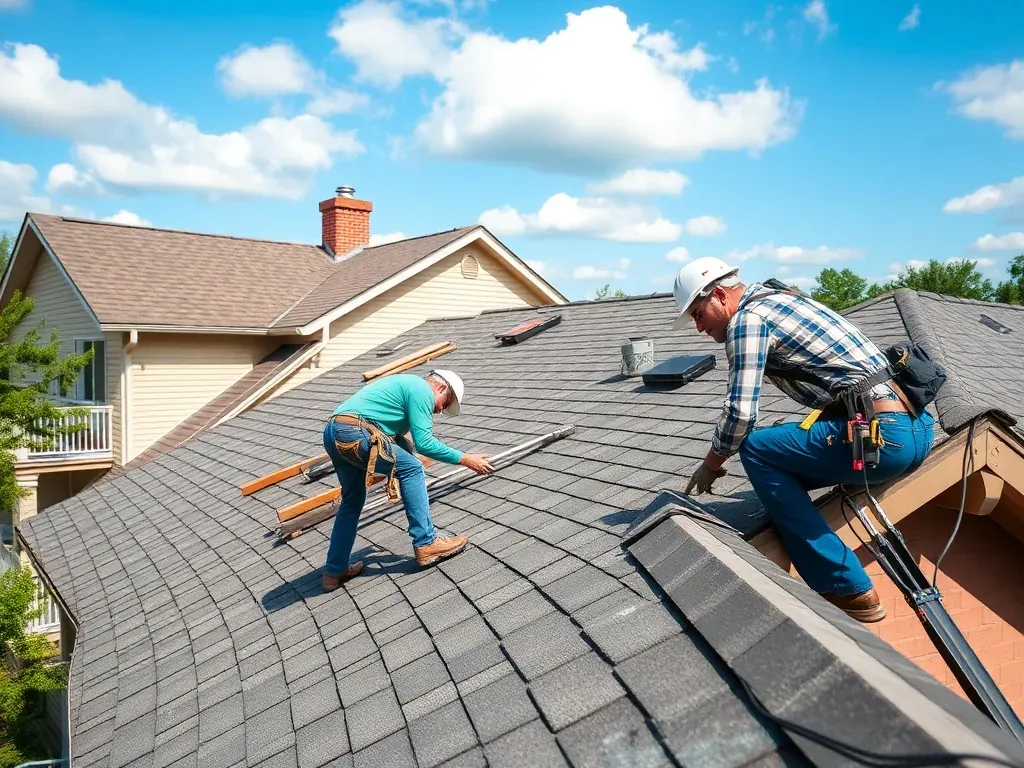
Safety and Compliance: Our crews use safety harnesses, scaffolding, and fall protection equipment. We follow OSHA requirements and Houston building code for rooftop work. Your building remains secure and compliant throughout the project.
Warranty and Documentation: You receive a manufacturer warranty (15–30 years) and our workmanship guarantee. We provide documentation of materials, installation dates, and maintenance recommendations.
When Your Commercial Roof Needs Repair or Replacement
Commercial roofs typically last 15–25 years depending on material and maintenance. Watch for these warning signs:
Leaks and Water Damage: Water seeping into the building, staining ceiling tiles, or pooling on the roof deck indicates membrane failure. Leaks can erode insulation and damage structural framing if left unaddressed.
Blistering and Membrane Separation: Bubbles or peeling in the membrane mean air or moisture is trapped beneath. Blisters expand in heat and eventually rupture, allowing water to penetrate the roof deck.
Granule Loss and Coating Failure: Gravel or granules washing off the roof surface indicate end-of-life wear. Exposed bitumen oxidizes and hardens, losing flexibility and waterproofing ability.
Cracks, Splits, and Punctures: Foot traffic, weather, or fallen debris can puncture or tear the membrane. Cracks propagate during freeze-thaw cycles, especially in Houston's variable winter temperatures.
Sagging or Settling: If the roof deck sags, water pools in low spots, accelerating rot and decay. Sagging often signals structural damage or failed insulation underneath.
If your roof is 20+ years old, shows widespread cracking, or has chronic leaks, replacement is more cost-effective than ongoing repairs. Newer systems offer better energy efficiency, longer warranties, and reduced maintenance burden on your facility team.
Energy Efficiency and Sustainability in Commercial Roofing
Modern commercial roofing systems reduce your building's energy footprint. TPO and light-colored membranes reflect sunlight, lowering roof surface temperatures by 30–50 degrees Fahrenheit. This reduces air conditioning demand and tenant utility costs.
Improved insulation—installed during replacement—raises the R-value of your roof assembly, cutting heating and cooling losses. Over 20 years, energy savings can offset a significant portion of replacement costs.
Metal roofing and cool-roof coatings are increasingly popular for sustainability-minded property owners. They extend roof life, reduce landfill waste, and lower operational carbon emissions.
Insurance Claims and Storm Damage Repair
Houston's hurricane season brings hail, wind, and debris that damage commercial roofs. We assess storm damage, document losses for insurance claims, and coordinate with adjusters. We handle the full repair or replacement process, working directly with your insurance company to streamline reimbursement.
Why Choose Houston Roofing Team for Commercial Roofing
We work with property managers and facility owners across Houston—from The Heights to Sugar Land, Kingwood to Katy. We understand commercial roofing systems, building codes, and tenant coordination. We're licensed and insured, and we stand behind every job with a solid warranty.
Call us at 281-699-0564 for a free roof asset survey and system recommendation. We'll explain your options in plain language and help you protect your building for decades to come.
Frequently Asked Questions About Commercial Roofing
How long does a commercial roof replacement take? Most projects take 1–3 weeks depending on roof size and weather. We coordinate scheduling with your property manager to minimize tenant disruption.
What's the difference between TPO and EPDM? TPO reflects heat and resists UV damage, reducing cooling costs. EPDM costs less upfront but requires more maintenance. Both carry similar warranties if installed correctly.
Do you handle insurance claims? Yes. We document storm damage, work with your adjuster, and manage the repair or replacement process. We help ensure you receive fair reimbursement.
Can you overlay an existing roof instead of tearing it off? Sometimes. Overlays cost less but add weight to the structure. We assess your roof deck and building code requirements to determine if an overlay is safe and legal.
What warranty do you offer? We provide manufacturer warranties (15–30 years depending on material) and our workmanship guarantee. All work is documented and backed by our commitment to quality.
How often should a commercial roof be inspected? We recommend annual inspections, plus inspections after storms. Regular maintenance catches small issues before they become expensive repairs.